Sleep is one of the most significant factors that define healthy living, but unfortunately, its importance is underestimated by many. As the modern lifestyle gets busier, missing out on sleep is now quite common, almost normal or inevitable. But missing out on sleep could impact your physical life, mental well-being, and productivity.
Identifying the indicators of sleep deprivation is the first key towards enhancing personal sleep practices. This article highlights the commonest indicators that suggest a lack of adequate sleep and the reasons why the indicators should be addressed.
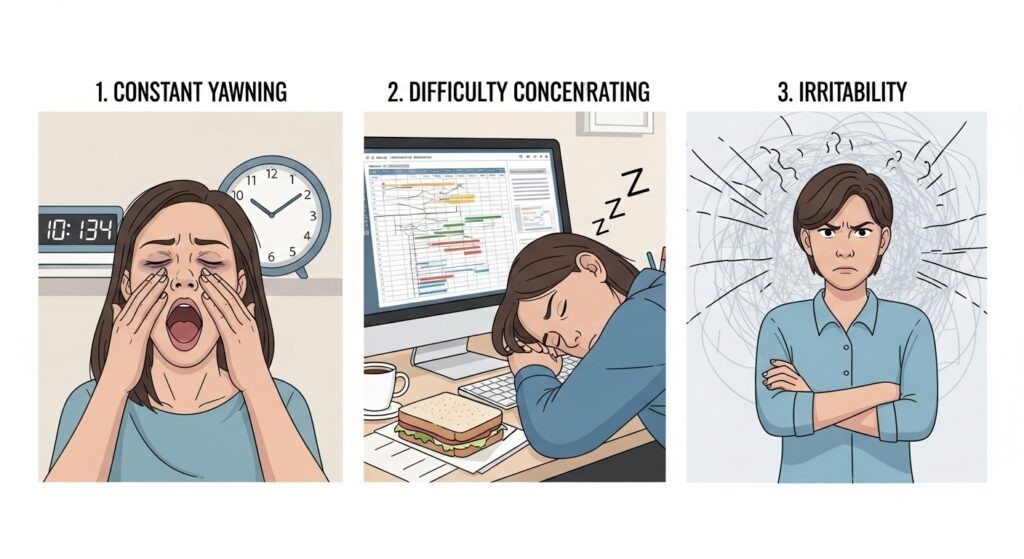
Constant Fatigue and Low Energy
One of the most common symptoms that reveal poor sleep is fatigue. Even if you are not getting sleep at night, you may find that you are waking up and not having energy.
Typical symptoms include:
- Experiencing fatigue after waking up
- Requiring frequent naps
- Relying heavily on caffeine
If your body doesn’t get adequate sleep, it will find it difficult to recover its energy levels.
Difficulty in Concentrating and Poor Focus
Sleep is an essential part of brain functions. In case a person does not get ample sleep, concentration and attention will be affected.
Sleep deprivation may result in:
- Difficulty focusing attention
- Forgetfulness
- Slower Reaction Times
Such conditions can impact work performance, learning capabilities, and decision-making skills.
Mood Swings and Irritability
Lack of sleep has a great impact on handling emotions. Being deprived of sleep can make a person quite irritable and anxious or emotionally sensitive.
They may also include:
- Increased frustration
- Short temper
- Feelings of stress or sadness
With time, poor sleep can cause someone to have anxiety and depression.
Weakened Immune System
If you find that you get sick easily, lack of sleep could also be the culprit. Sleep is essential in working your immune system and fighting off infections.
The indicators showing lowered immunity are:
- Frequent colds or infection
- Recovery time from illnesses such as the common
- Inflammation that
Regular sleep is a key in maintaining a healthy immune system.
Effect of Weight Loss
A poor night’s sleep causes imbalances in the hunger hormones, increasing the drive to eat, particularly for sugary or high-calorie foods.
Sleep deprivation can result in the following:
- Greater cravings
- Overeating
- Weight gain
This is because of the imbalance in the hormone levels in the body; it becomes difficult for a person to eat
Unexplained Weight Gain
Poor sleep is also closely associated with weight gain. When the body doesn’t get adequate sleep, the body produces increased hormone levels for hunger and decreased hormone levels for satiety.
Poor sleep can:
Result in
- Slow metabolism
- Boosts fat storage
- Decrease Motivation for Exercise
Proper sleep helps with weight control.
Frequent Headaches
Lack of sleep can cause tension headaches and migraines. The poor quality of sleep can cause blood flow imbalances and elevated levels of stress that results in headaches.
Frequent headaches can be relieved by increasing the quality and duration of sleep.
Reduced Physical Performance
Sleep is also required for muscle recovery, co-ordination, and building strength. Active individuals will notice that their performance will decrease if they are having insufficient sleep.
Physical signs are:
- Decreased endurance
- OTC Improvement
- Higher injury risks
Sleep assists the body in rebuilding tissues following physical exercises.
Trouble Waking Up in the Morning
You may have trouble waking up or find it hard to feel fully alert several hours after waking. This could be because you are sleeping.
This is common when:
- Sleep duration is too short
- Poor quality of sleep
- MBTI can never predict the exact
Quality sleep enables you to feel refreshed and awake after waking up.
Memory Problems
Sleeping is an essential process in memory consolidation. When you don’t get enough sleep, it affects your brain in terms of recalling information.
Indicates this:
- Forgeting details
- Learning capacity
- Difficulty in learning new things
- Mental fog
Proper sleep promotes short-term and long-term memory.
Higher Degrees of Stress
TheLack of sleep increases the production of cortisol, which is the body’s primary stress hormone. When there is a high concentration of the hormone in the body, one can experience high levels of stress or anxiety.
- Mental Health
- Heart health
- Regulatory functions
A good night’s sleep will actually affect your ability to handle
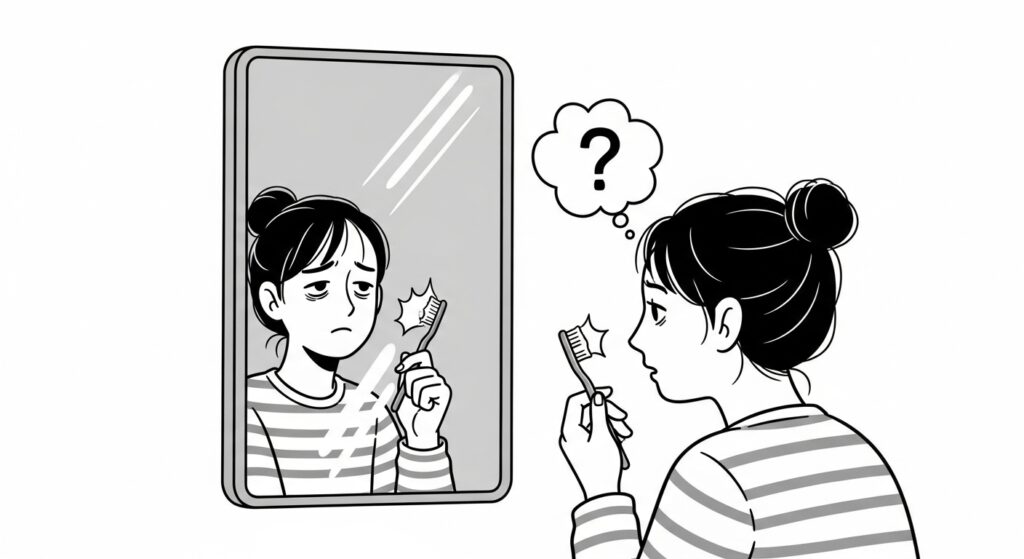
Dark Circles and Dull Skin
Sleep is important in the regeneration of your skin. A lack of sleep will manifest itself in your appearance.
Common symptoms include:
- Dark circles under the eyes
- Swollen eyes
- Dull or uneven skin tone
Proper sleeping helps in having healthier skin.
Lower Motivation and Productivity
When you’re not getting enough sleep, you’ll find that even the easiest tasks will seem impossible to accomplish. Your motivation will be low,
You will notice that these pages
- Precast
- Lack of enthusiasm
Sleep replenishes mental vitality. It also enhances motivation.
Higher Risk of Accidents
The effects of not having enough sleep can be a weakened sense of judgment and response time, potentially leading to an accident at work, while operating a motor vehicle, or simply performing everyday tasks.
Lack of sleep can be as debilitating as intoxication when it comes to reaction time and decision making.
Indicators of Chronic Sleep Deprivation
The consequence of sleep deprivation when it becomes consistent is more severe. Lack of sleep is a risk factor for chronic health problems.
Longer-term risks involve:
- Heart Disease
- High Blood Pressure
- Diabetes
- Mental Health Disorder
Problems related to sleep will, if left untreated, increase the risk of such ailments.
How Much Sleep Do You Really Need?
Most adults need 7-9 hours of sleep per night for optimal health. While individual needs may vary, with less than 7 hours sleep per night, noticeable health effects start to occur.
Sleep duration may differ for children, teenagers, and older adults.
Methods to Enhance Quality of Sleep
If you recognize these signs, improving your sleep habits can make a significant difference.
Helpful tips include:
- Get enough rest regularly
- Reduce screen time before bedtime
- Create a sleep environment that is quiet and relaxed
- Watch caffeine late in the day
- Practice the techniques to relax
Small changes may mean all the difference between sleep and health.
Conclusion
Sleep is not a luxury, but a necessity. The signs of not having enough sleep often appear gradually but can have a powerful impact on your physical health, mental well-being, and daily performance.
One can regain energy, improve mood, strengthen their immunity, and enhance the quality of life by recognizing these warning signals and prioritizing better habits of sleeping. Long-lasting health and wellness begin with a well-rested body and mind.