The present study investigates how low-impact workouts improve joint health through exercise routines which minimize joint pressure during physical activity. The exercise program provides effective treatment for people who experience joint discomfort or have arthritis or movement constraints or want to maintain their joint health throughout their life. Joint impact studies show that low-impact workouts create decreased forces which protect knee and hip and ankle and shoulder and spinal joints from damage.
Joint health functions as an essential factor which determines both a person’s ability to move and their overall life satisfaction. Low-impact exercise performed on a regular schedule assists in preserving joint capabilities while promoting cartilage protection and muscle development in the supporting musculature. The article demonstrates how low-impact workouts benefit joint health while presenting safe activities which people can add to their exercise programs.
What Are Low-Impact Workouts
Low-impact workouts involve controlled movements that reduce pressure on joints. The exercises require people to stay away from all jumping and running and sudden changes in their movement direction. The person maintains contact with the ground through one foot or uses equipment or water for body weight support.
Common examples include walking, swimming, cycling, yoga, Pilates, and elliptical training. These exercises allow consistent movement without excessive joint strain.
Importance of Joint Health
Joints connect bones and allow movement. Over time, joints may experience wear due to aging, repetitive motion, excess body weight, poor posture, or inactivity. Joint health problems result in stiffness and pain together with inflammation and limited movement abilities.
The appropriate exercise helps maintain joint health by increasing joint lubrication and supporting cartilage operation and preventing muscle imbalances which cause additional joint strain.
Benefits of Low-Impact Workouts
Low-impact workouts provide multiple benefits for joint health and overall fitness.
The activities preserve joint function through their ability to decrease mechanical stress while permitting standard movement. The system helps people achieve better flexibility through its capacity to boost every movement range.
The exercises enable users to work out for extended periods because they can be modified to meet various physical abilities.
Walking
Walking serves as an easy-to-use exercise option which maintains low impact on the body. The exercise enables people to move their joints because it delivers controlled force which most people can handle.
Walking promotes knee and hip joint function through two main effects. The exercise helps people stay active while maintaining their balance. People who walk on flat surfaces while wearing proper shoes experience less stress on their joints.
People who walk regularly at a moderate pace will develop better joint flexibility and endurance abilities.
Swimming and Water Exercise
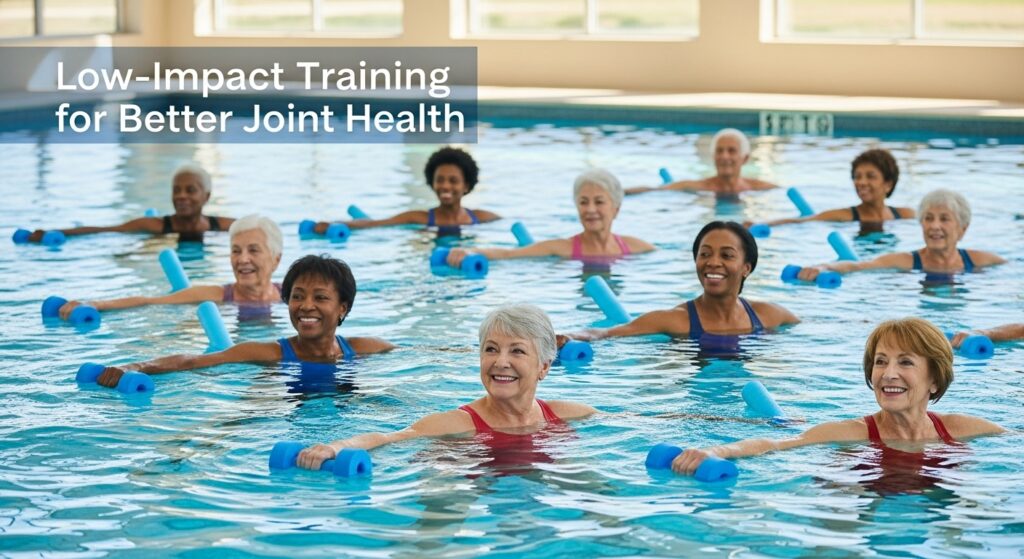
Water-based exercise helps improve joint health through its effective training methods. The body weight of an individual decreases because buoyancy enables them to move through water without facing any major resistance.
Swimming improves cardiovascular fitness, muscle strength, and joint flexibility. Water aerobics provides controlled resistance while protecting joints from strain.
This type of exercise is particularly beneficial for individuals with arthritis, joint inflammation, or limited mobility.
Cycling
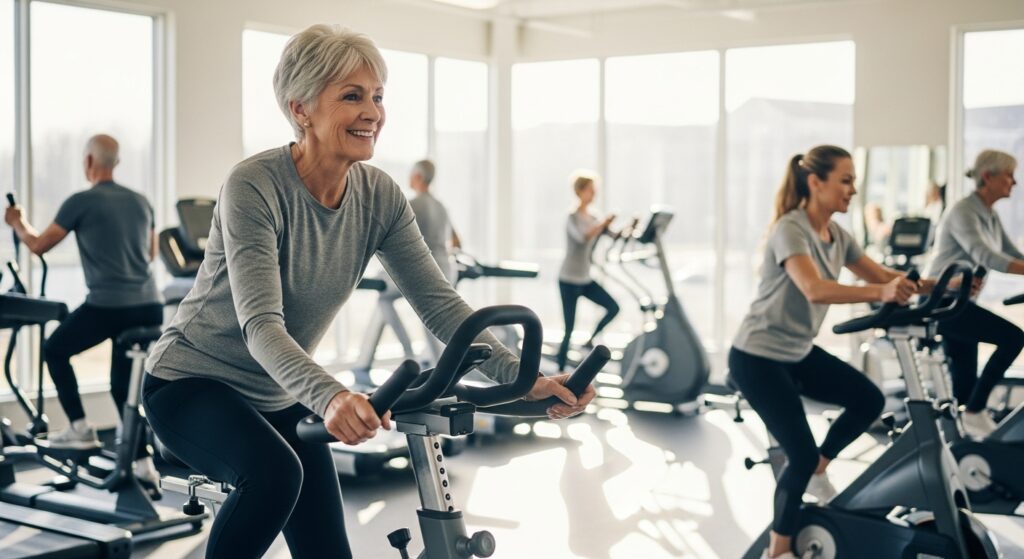
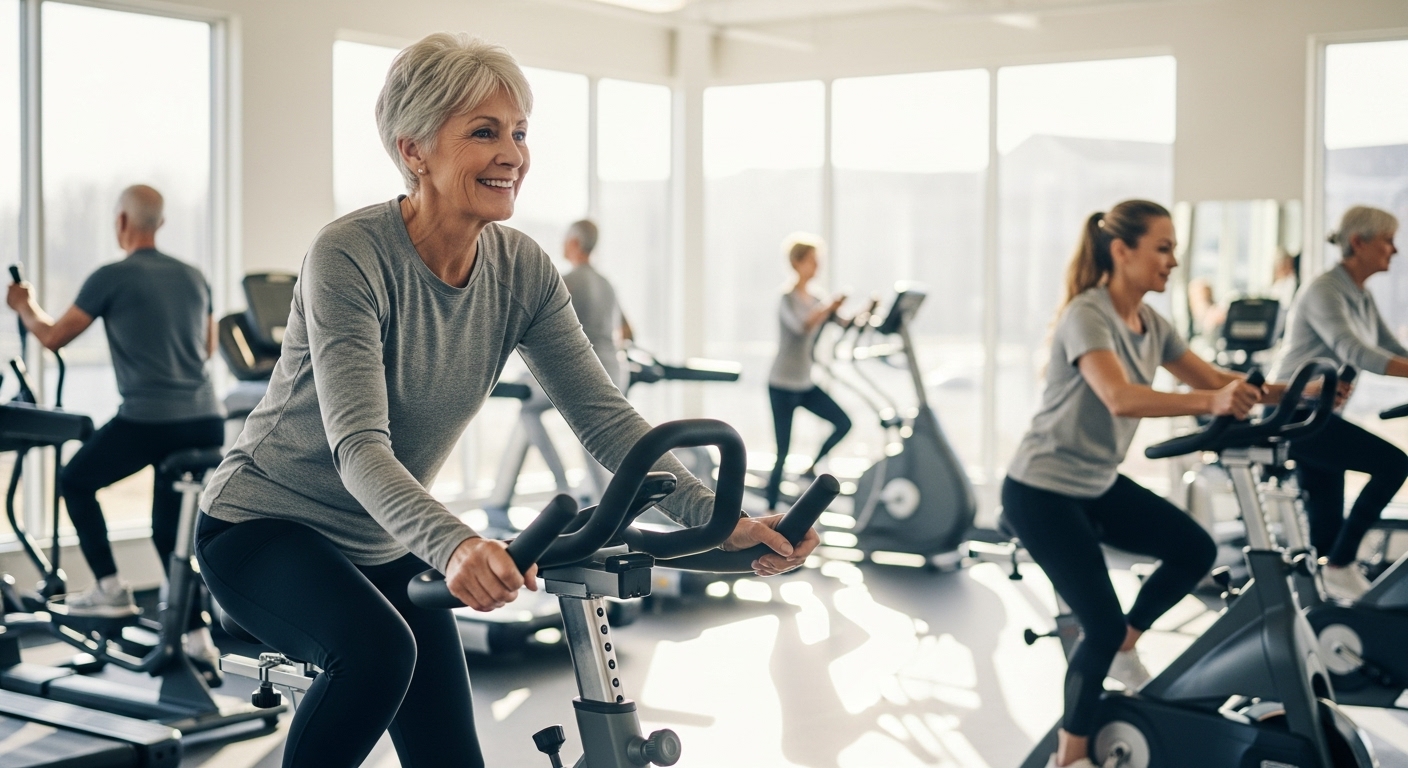
Cycling allows people to move their joints without any body impact between exercises. Stationary cycling and outdoor cycling function as effective exercise methods which create minimal stress on the body.
Cycling builds strength in knee and hip muscles while improving endurance capabilities. The circular motion enables people to maintain joint flexibility because it decreases joint stiffness.
Cyclists must properly adjust their seat height and body position because these adjustments help prevent knee and hip injuries during cycling.
Yoga
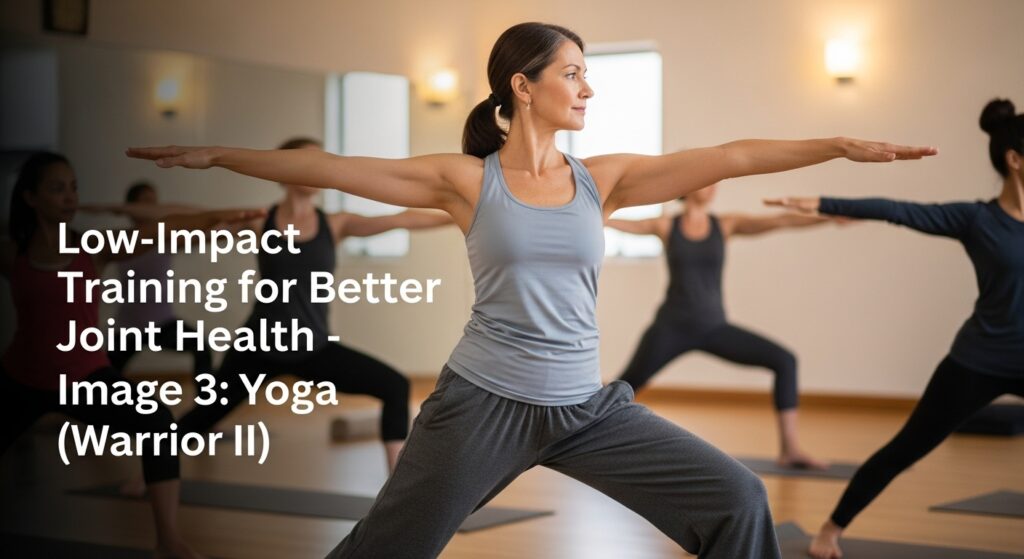
Yoga practitioners must execute their stretching exercises by following designated movement patterns which require them to sustain particular body postures. Practicing yoga enables people to acquire superior joint flexibility and enhanced balance capabilities and increased muscular strength.
Gentle yoga styles help decrease stiffness while they enhance joint motion capacity. The controlled poses enable users to build stabilizing muscles while watching their joints.
Yoga develops joint mobility because practitioners use correct body alignment and suitable exercise modifications.
Pilates
Pilates focuses on developing core strength which enhances proper body alignment through precise movements. The program helps people maintain their joint health by developing better muscle control together with improved stability.
This exercise method strengthens muscles around joints and improves body alignment, which results in decreased joint stress that occurs unevenly. Pilates provides specific benefits to individuals who require assistance with their spinal area and their hip and knee regions.
Pilates employs low-resistance exercises which render the workout system suitable for training programs that aim to enhance joint health.
Elliptical Training
Elliptical machines enable users to simulate walking and running activities while their bodies remain protected from impact. The equipment generates continuous motion which reduces operational stress on users’ knees and ankles and hip joints.
Elliptical training delivers cardiovascular advantages while ensuring joint protection. The system enables users to change both resistance and intensity levels based on their personal fitness needs.
People frequently use this exercise as an alternative to treadmill running.
Strength Training
Low-impact strength training is helpful for joint preservation since it provides greater muscle support. The exercise needs resistance bands and light weights.
Controlled strength exercises are helpful for joint stability, bone density, and strength of functional movements. Individuals should concentrate on training as they progress to develop their strength.
Low-impact cardio exercises are helpful for creating a balance between strength training and joint preservation.
Joint-Specific Exercises
Various joints require specific low-impact exercises.
For knee joints, cycling, walking, leg raises, and water exercises are helpful. Yoga stretches, elliptical training, and swimming exercises are helpful for hip joints. The shoulder joint requires resistance bands and swimming and controlled arm exercises.
The exercises allow individuals to focus on improvements in their joints through low-impact exercises that help decrease joint stress.
Exercise Safety Tips
Proper techniques are required for joint care. Warm-up exercises are required for joint preparation before exercising.
Individuals should vary their exercise routine by making progressive changes. Individuals should avoid making drastic changes to their exercise routine intensity. Individuals should not overlook persistent pain experienced throughout and after completing their exercise routine.
Joints and muscles need adequate rest to recover from exercise activities.
Exercise Frequency
Individuals should exercise their joints through low-impact exercises on a regular basis for joint care.
Individuals should undertake at least 150 minutes of low-impact aerobic exercise per week. Individuals should incorporate strength training into their exercise routine two to three times per week. Individuals should regularly perform stretching and mobility exercises.
People need to maintain their exercise schedule through consistent practice rather than focusing on intense workout sessions.
Who Should Choose Low-Impact Workouts
Low-impact workouts are suitable for a wide range of individuals.
The program serves older adults and people who experience joint pain and individuals who have arthritis and beginners and those who need to recover from injuries. The program also benefits people who want to maintain their joint health through preventive measures.
The workouts provide extended joint support to users who complete their exercises without increasing the risk of injuries.
Conclusion
People who want to protect their joints while staying active can choose low-impact workouts because these exercises provide safe and effective joint protection. The exercises of walking and swimming and cycling and yoga and Pilates and controlled strength training enable users to develop joint mobility and strength and stability.
People who exercise regularly at low impact will experience joint stiffness reduction and flexibility improvement and better overall movement abilities. The proper execution of workouts leads to joint health and functional fitness development which continues for an extended period.
2 thoughts on “Low Impact Training for Better Joint Health”