

Living fit is not about strict rules or striving for perfection
It’s building healthy habits that will allow your body and mind to thrive over time. Fitness, for most people, is some radical diet or an extreme workout routine. But the real truth is far from being that complicated. Long-term health is derived from the small, consistent actions practiced daily.
At any age, at any level of fitness, and into any schedule, a fit lifestyle is achievable for all Concentrating on long-lasting behavior instead of quick fixes will help one improve energy, strength, clarity, and self-confidence.
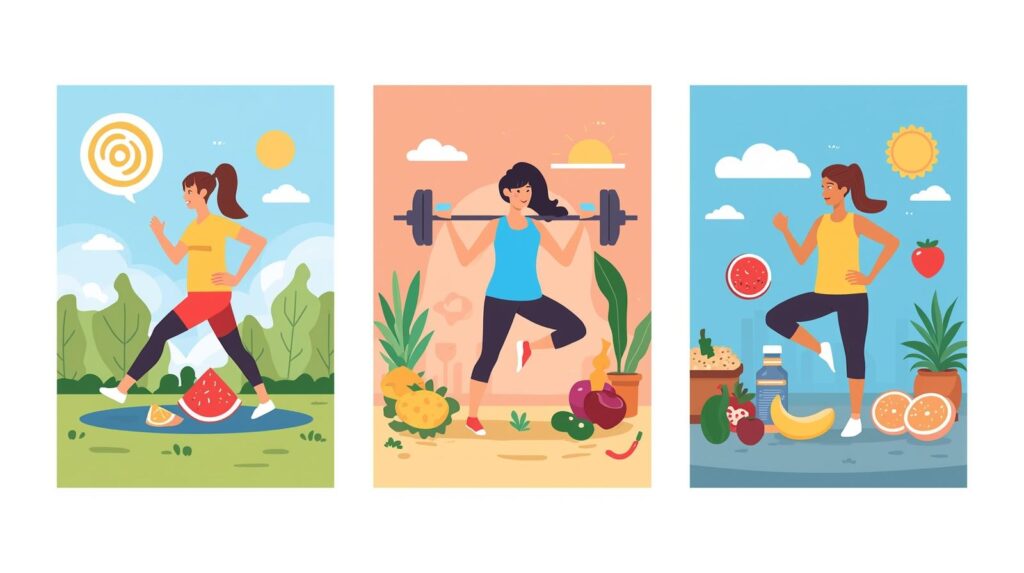
- We will discuss 18 healthy habits for a fit lifestyle that are realistic, effective, and feasible to maintain in this guide.
1. Drink Water in the Morning
After several hours of sleeping, the human body automatically gets dehydrated. Drinking a glass of water early morning helps rehydrate your system and prepares the body for the day ahead.
It helps one have a great digestion, kick-starts metabolism, and mental alertness. It’s also a habit that will cut down on morning sluggishness and regulate appetite throughout the day.If you enjoy flavor, adding lemon is fine—but plain water works just as well.
2. Consume a Healthy Breakfast that’s Balanced
It’s the meal that gets your body and brain going.Without breakfast, you may feel tired, spacey, and irritable, and you may overeat later in the day.You should consider a balanced breakfast consisting of a mixture of protein, complex carbohydrates, and healthy fats. Examples of this can include eggs on whole-grain toast, Greek yogurt with fruits, and porridge with nuts or seeds
3. Workout Your Body Every Day
One of the most crucial habits for long-term fitness is everyday movement. You don’t need to train vigorously every day-what important is consistency. It can be anything: walking, stretching, yoga, cycling, or light strength training.
- Regular activity improves heart health, strengthens muscles, promotes flexibility, and boosts happiness.
4. Practice Portion Control
Healthy eating doesn’t just have to do with what you eat, but also how much you eat. Controlling portions can help you avoid overeating, which aids in weight management. Initially, I will eat three meals a day, and I will control portions at
- Eating slowly, using smaller plates, and tuning in to hunger and satiety cues can lead to natural improvements in portion control. The practice promotes a mindful relationship with food and healthy digestion.
5. Select Whole, Natural Foods
What are whole foods? Whole foods are considered essential for providing nutrients which are required for proper functioning of the human body. The whole foods include fruits, vegetables, whole grains, lean protein, and healthy fat.Processed foods, conversely, may contain added sugars, saturated fats, or chemical compounds. Eating whole foods will enable an individual to digest their meals better, increase their energy level, or achieve good health.

6. Limit Sugar and Highly Processed Foods
Too much sugar in the body can cause lack of energy, inflammation, weight gain, and other risks of chronic health conditions. Cutting down on sugary drinks, candies, and ultra-processed foods will greatly impact your health.That is not saying we should get rid of sugar altogether.
7. Rehydrate Throughout the Day
Water is important to every body function, from digestion to circulation, to temperature and joints. It only takes a mild dehydration to get headaches, feel tired, or have trouble concentrating.
- Having a water bottle with you at all times and drinking water throughout the day makes it easy to stay hydrated.
8. Make Quality Sleep Your Priority
Sleep is one of the basic cornerstones of a healthy and fit life, but it is commonly disregarded. An individual’s average nightly sleep should range between 7 to 9 hours. The muscles in the body are repaired and rebuilt during the process of sleeping.
- Poor sleep habits can lead to increased cravings, a slower metabolism, and a lack of motivation to exercise. A relaxing routine each night and avoiding screens can work wonders in helping you sleep better.
9. Coping with Stress Constructively
Chronic stress impacts physical as well as mental health. Stress causes the accumulation of weight, exhaustion, gastrointestinal problems, as well as weakened immunity. Stress management is an essential skill that helps an individual achieve long-term fitness.
- Healthy ways to deal with stress are deep breathing, meditation, journaling, stretching, and enjoying nature. Simply a few minutes a day will work wonders.
10. Practice Good Posture
Poor posture contributes to a variety of ailments, including back pain, neck strain, and breathing difficulties. Being aware of posture when sitting, standing, and walking can improve spinal posture.
- Small modifications in behavior can make a huge difference in the end; for instance, taking breaks for movement, placing screens on eye level, and holding one’s body upright while seated.
11. Consistency in Exercise
Consistency beats intensity when it comes to fitness. It’s better to have short and frequent exercise sessions compared to high-intensity exercising that happens from time to time.
- Doing activities which you like dancing, swimming, or hiking, will make it easier to stick to them or make exercise a habit.
12. Practice Mindful Eating
“Mindful eating” means paying attention to your food and noticing what’s happening in your body when you eat it. Eating slowly and not doing other things at the same time can help with digestion and keep you from overeating.
- This practice also leads to higher satisfaction and works to help you achieve a more constructive relationship with the food you’re consuming.
13. Limit Screen Time
Prolonged exposure to screens could result in adverse effects concerning posture, sleep, and mental health. Physical inactivity and eye strain occur whenever an individual spends considerable amounts of time using cell phones and computers.
- Taking regular breaks, committing to screen-free times, or doing things offline can contribute both towards physical health as well as mental health.
14. Establish a Healthy Morning Routine
An optimistic morning routine starts off the day on a positive note. Routines such as drinking water, stretching, meditation, or making a list of tasks can work wonders for motivation and productivity.
- There is no need for a complicated regimen—Simple steps can help make a lot of difference.
15. Do Not Skip Meals
Skipping meals may cause a person to have a slower metabolism, low energy, and may trigger one to have greater cravings for junk food. Eating well-balanced meals allows a person to have a stable energy level.
- Paying attention to what your body is telling you about hunger is essential.
16. Take Care of Your Mental and Emotional Well-being
A healthy lifestyle means an emotionally and mentally healthy life as well. Self-care, emotional intelligence, and boundaries are as essential as physical fitness and eating healthy food.
- Taking time to unwind and socialize and seeking help when needed is important for long-term health.
17. Surround Yourself with Positive Influences
Your environment are a key element in determining your habits. Being around happy, motivating individuals will help you stay healthily active and eat well too.
18. Monitor Your Progress And Celebrate Your Successes
Monitoring habits such as exercise, eating, or daily step counts can allow you to remain accountable and motivated. Just remember that progress can be small at first.
- It helps to create confidence by fostering consistency in doing modest tasks on a long-term basis.
Benefits of a Fit and Healthy Lifestyle
When you follow the above healthy habits, you can achieve the following
Increased energy expenditure
Enhanced digestion & metabolism
Improved mood and clarity of mind
Enhanced Immunity
Sustainable weight management
Increased confidence and quality of life Conclusion
A fit lifestyle is not about being flawless or seeing immediate results. It’s just about eating healthier, exercising more, or taking better care of yourself to build healthy habits. You can achieve this by changing one or two things in your lifestyle.
These 18 healthy habits for a fit lifestyle are a real guide towards a healthy and balanced life. Each step that you take towards attaining a healthy lifestyle will take you one step closer to a healthier and stronger YOU!
1 thought on “18 Life-Change Habits for Better Health”