

Sleep is often the most underrated pillar of health. Everyone pays a lot of attention to diet plans and workout routines, but without quality sleep, results can be slow, inconsistent, or frustrating. Whether one wants to lose weight, build muscle, or just feel healthier and more energetic, quality sleep pulls much critical weight.
In this comprehensive guide, you will understand how sleep affects weight loss, muscle recovery, and metabolism, impacts hormonal balance, and influences general health for the better, thereby greatly boosting your fitness results.
Why Sleep Quality Matters More Than You Think
Sleeping is not just called “rest time” While sleeping, your body
- repairs muscles & tissues
- Controls hormones
- Balances metabolism
- Boosts immunity
- Brain & mental health support
When you don’t get enough sleep, it interferes with all these functions and makes it harder to burn fat, build strength, or even stay healthy.
- Sleep quality and weight loss
- Sleep and Muscle Recovery
- Effects of Poor Sleep on HEALTH
- Sleep and Metabolism: Significance of Sleep to Fitness
How Sleep Affects Weight Loss
1. Sleep Regulates Hunger Hormones
Sleeping has a direct effect on two of the most important hormones
- Ghrelin – stimulates appetite
- Leptin – signalizes fullness
If sleep quality is not ideal
- Increase in ghrelin
- Leptin concentrations fall
This results in
- Increased appetite
- Strong cravings (not limited to sweet or junk foods)
- Eating too much without realizing
- Even with the right diet, lack of sleep could be quietly working against weight loss
2. Poor Sleep Slows Down Metabolism
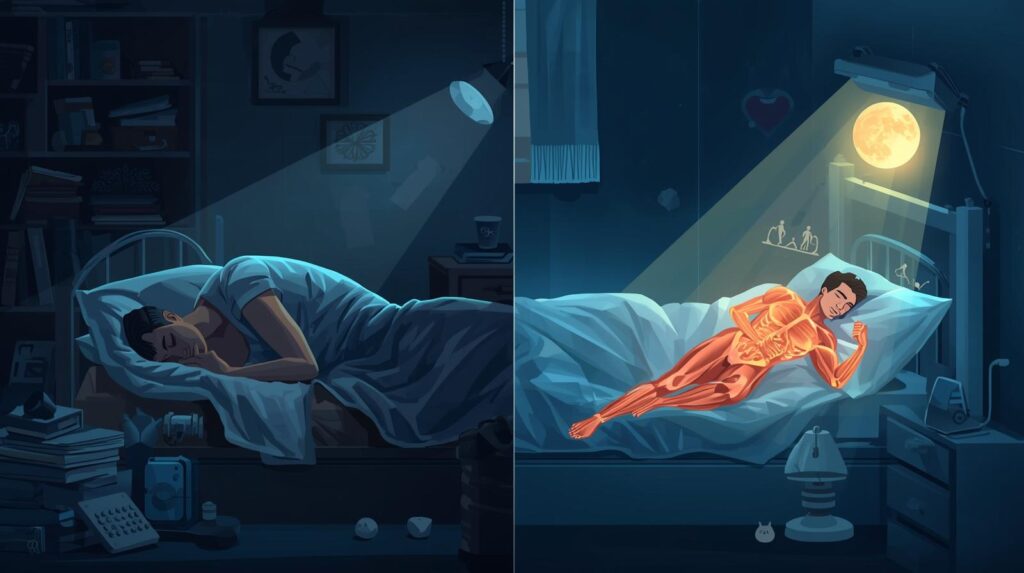
Your metabolism requires balanced hormones and adequate recovery time. When you don’t get enough rest, you may experience the following.
- Decrease insulin sensitivity
- Stimulates Adipose T
- Reduces calorie-burning efficiency
That is, your body: Stores more fat Burns fewer calories Issues with using energy effectively Good sleep habits help a person maintain a healthy metabolic rate. A healthy metabolic rate is very important for effective weight loss.
3. Sleep – Influencing Fat Loss over Muscle Loss
When sleep is not enough
- “The body goes into a state of stress”
- Muscle breakdown rises
- Fat loss becomes more difficult
It’s common for people to begin losing muscle mass instead of fat when dieting without adequate sleep. Effective sleep assists in protecting muscle mass and facilitating fat loss.
How Sleep Impacts Muscle Recovery and Growth
1. Sleep is a Time of Muscle Repair
Exercise creates tiny tears in muscle fibers. These muscles don’t grow during workouts — they grow during recovery, in particular during deep sleep.
During quality sleep
- Muscle tissue heals itself
- Strength enhances
- Soreness decreases
- Performance enhancements
- Without sleep, recovery slows, and training results suffer
2. Sleep is Important for Growth Hormone Release
Deep sleep prompts the secretion of growth hormone responsible for
- Muscle building
- Tissue repair
- Fatty acid metabolism
Poor sleep decreases growth hormone production, which consequently results in
- Slower gains in the muscles
- Longer time required for recovery
- Increased risk of injury
- This is the reason athletes and fitness pros put a high value on sleep, just like training
3. Sleep prevents overtraining.
Overtraining occurs when the body doesn’t get enough recovery.
Signs include
- Chronic tiredness
- Strength reduction Mood swings Poor performance in the gym Quality sleep helps to regulate stress hormones and prevents burnout; hence, one can progress consistently
The Link Between Sleep and Overall Health
1. Sleep Supports Mental Health
Good sleep improves
- Focus and concentration
- Emotional balance
- Stress management
Poor sleep is associated with an increased incidence of
- Irritability
- Anxiety
- Low motivation
There is a strong relationship between mental health and physical health, both of which are supported by sleep.
2. Sleep Strengthens the Immune System
The activity of the immune system during sleep is characterized by
- Produces protective proteins
- Repairs damaged cells
- Prepares the body for fighting illness
- Poor sleep, if chronic, reduces immunity and predisposes the body to common health problems
3. Sleep Regulates Energy Levels
If you’re regularly tired even though you eat right, then sleep is probably the missing key. You see, quality sleep is important to ensure that.
Energy levels that are stable throughout the day. Better performance in workouts Improved daily output. Energy isn’t just about the calories; it’s also about recovery and balance.
How Much Sleep Do You Really Need?
Although individual needs will differ, most people will require
7 – 9 Hours of Sleep per Night
“The quality of sleep is what truly matters,” says Dr. Cavalry,” rather than just the quantity,” because irregularities in sleep “can negate the benefits of even adequate amounts of the best-quality sleep
Signs Your Sleep Quality Is Poor
You may need to improve sleep if you experience
- Difficulty initiating sleep
- Frequent nighttime awakenings
- Fatigue upon rising
- Poor exercise motivation
- Increased appetite or cravings
These are signs and symptoms that can often occur well before major health problems start.
Simple Ways to Improve Sleep Quality Naturally
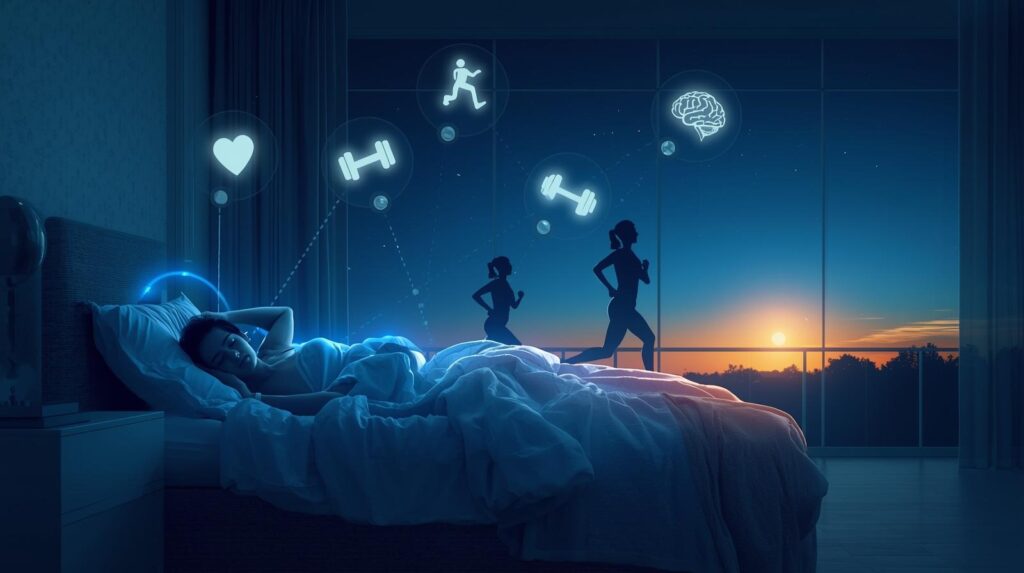
1. Stick to a Constant Sleep Pattern
Sleeping and waking up at the same time daily can help regulate the body clock.
2. Cut Back on Screen Time Before Bed
Blue light emitted by cellphones and other screens can interfere with sleep messages. It’s a good idea to cut down on use of screens before sleeping.
3. Build a Sleep-Conducive Environment
- Quiet, dark room
- Comfortable
- Clean and peaceful environs
- Your environment affects the quality of your sleep
4. Refrain from Consuming Hearty
Meals in the Late Consuming large or heavy foods near bedtime can cause disturbances in digestion as well as disrupted sleep.
5. Stay Physically Active Exercise
Exercise can improve the quality of sleep. However, exercising too close to bedtime can make it more difficult for some individuals to fall asleep.
Why Sleep Is the Missing Link in Fitness Success
Many people:
- Train harder
- Eat cleaner
- Follow strict routines
Even so, still lag with results because, of course, sleep is missing
Sleep links:
- Diet efficacy
- Exercise recovery
- Hormonal Balance
Mental motivation Without sleep, a healthy life is a constant task rather than a lifestyle change.
Frequently Asked Questions
What is the impact of sleeping more on weight loss? Zambrano
Well, it appears the answer to this question is affirmative. Getting quality sleep helps regulate hormones, appetite, and metabolism, all of which are essential in the weight loss process.
Does a poor sleep cycle influence muscle building?
Absolutely. Muscle repair and Growth Hormone secretion have been shown to require deep sleep.
Is Sleep More Important than Exercise?
Both are important, but if you do not get enough sleep, you can’t fully benefit from exercise.
How long will I notice the positive effects of improved sleep?
Some people experience better energy levels and faster recovery times after just days of better sleep.
Final Thoughts
Sleeping is a want rather than a necessity, and if you want to achieve health and wellness objectives, such as weight reduction and muscle gain and recovery, sleep should become your top priority.
The following advantages can be gained by improving sleep quality.
- By improving sleep quality
- Burn fat efficiently
- Recover properly
- Build strength naturally
- Stay mentally and physically balanced
Health and fitness also include sleep, without which nothing else would be possible.
1 thought on “How Sleep Quality Affects In Muscle And Health”