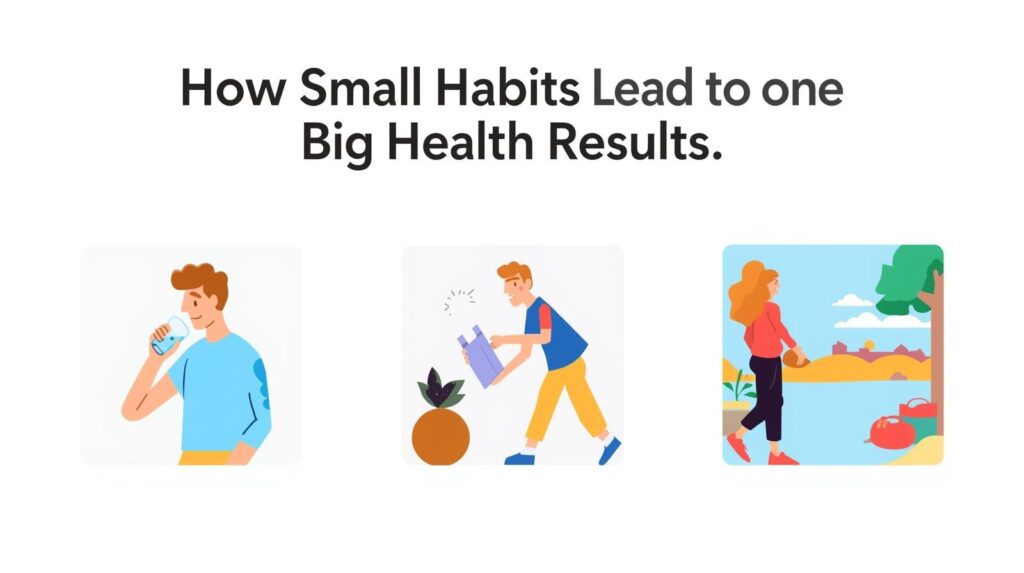
People tend to think of dramatic methods when they consider how to better their health. For instance, they consider diets, work-out programs, and even complete lifestyle changes. Although such methods offer a quick fix, they are hardly ever maintained on a long-term basis. As a fact, small habits help people achieve outstanding results every day.
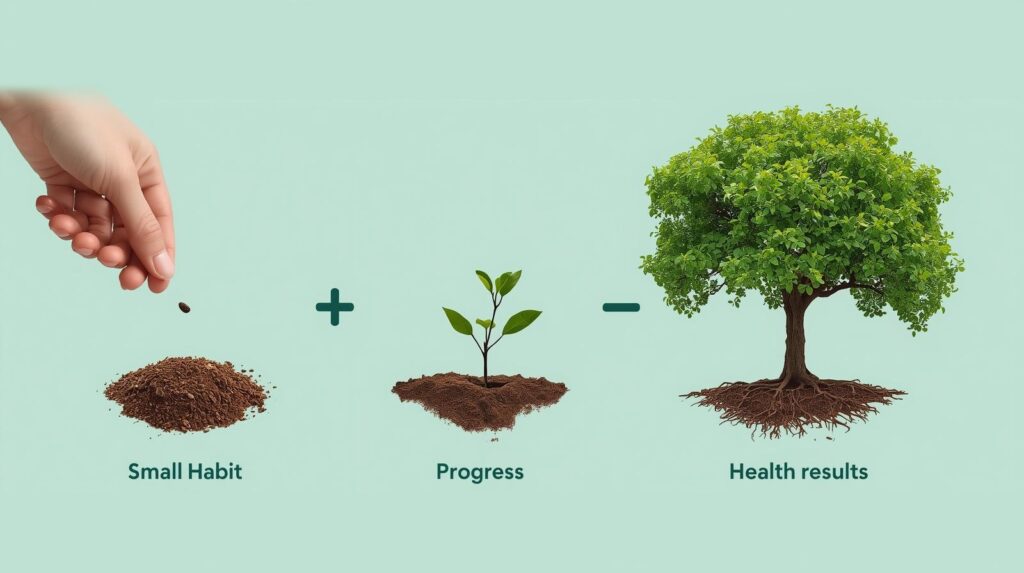
Small habits may appear unimportant at the beginning, but they can build up powerful results over a period. Just like how a small amount of money can build up into a fortune when saved regularly, small healthy habits can greatly improve physical and mental wellness.
In this piece, we’ll examine just how small habits translate to huge health outcomes, as well as understand why this is the case, in addition to methods you can use to incorporate these habits into your every day.
Why Small Habits are Important for Long-Term Health
Small habits are simple to implement, easy to maintain, and are not as daunting as other methods. Habits are not maintained by motivation, which can easily disappear, but by consistency. Habits that are already ingrained in one’s system do not require as much willpower.
The Power of Consistency Over Perfection
A large number of people tend to wait before embarking on their health journey because of the feeling that they need to do everything perfectly. The truth of the matter is that perfection is not required in the process, as consistency is more important than intensity.
For example:
- Compared to one weekly rigorous exercise session, taking a 20-minute walk every day is more effective.
- Consuming one additional glass of water per day is more beneficial than performing extreme detoxes occasionally.
- Sleeping thirty minutes earlier each night can make a huge difference in recovery.
- By implementing a lifestyle approach, small changes have a compounding effect.
Small Nutrition Habits That Improve Health Over Time
1. Consuming More Water Daily
Functions in the human body include digestion, metabolism, joint function, and the brain. Even mild dehydration can make people tired and suffer headaches. Having just one extra glass of water a day can help alleviate this problem.
2. Consuming One Additional Serving of Vegetables
You do not have to make radical changes in your diet at one go. Adding one vegetable serving daily will help you gain higher amounts of fiber, vitamins, and antioxidants.
3. Portion Awareness Exercise
Paying attention to the amounts being served can ensure that weight and digestion are managed.
4. Gradual Reduction of Added Sugar
Reducing or limiting sugary beverages or snacks will help manage blood sugar levels and provide long-lasting energy instead of cutting down on sugars entirely.
Small Movement Habits That Build Fitness Naturally
Exercise does not entail gym membership or long periods of gym-going. Small actions done along the way make a difference.
5. Walking More
Using the stairs, parking the car in a spot that is further away, and taking short walks is reputed to have a beneficial effect on the cardiovascular system and help in weight management.
6. Stretching Exercise for a Few Minutes
A regular stretching routine enhances flexibility and posture and reduces muscle tension, most especially among those who are employed in a sitting job.
7. Short Strength Exercises
Exercise with your own body, such as squats, push-ups, and planking, for a few minutes a day to maintain muscle power and joint flexibility.
- Small Sleep Habits That Improve Recovery and Energy
- Sleep is an extremely important function of health, which is commonly overlooked.
8. Getting to Bed Slightly Earlier
An additional 15-30 minutes of sleep can also boost mood, concentration, and hormone regulation.
9. Reducing Screen Use Before Bed
Limiting the usage of screens during the evening hours can enhance sleep quality and promote melatonin secretion.
10. Developing a Simple Bedtime Routine
Developing regular bedtime routines tells the body that it is time to go to sleep, resulting in sounder sleep with increased REM stages.
- Small Mental Health Habits That Mean Big.
- Emotional health and wellbeing are just as crucial as physical health. Some simple day-to-day practices can help alleviate stress and equalize our minds.
11. Adopting the
Spending a few minutes a day reflecting on the positive aspects of your life is a great step towards improving your mood and reducing your stress.
12. Deep Breathing or Mindfulness
Some minutes of deep breathing can relax the nervous system, reduce stress hormones in the body, and enhance concentration.
13. Controlling Information Intake that has
Minimizing contact with the negative influences of constant coverage and social media usage enhances mental acuity.
- Impact of Small Habits on Long-Term Healthcare Results
Small habits may not result in quick effects. However, their overall effect can be quite significant over a period of time since they may result in:
- Boost metabolism and energy
- Promote Healthy Weight Management
- In order
- Lower the risk of chronic diseases
- Build immunity
- Boost mental resilience and mood
- The trick is consistency. Habits that feel so easy will be successful habits, resulting in lasting health gains.
Why Big Changes Often Fail
Drastic lifestyle changes are also hard to achieve and maintain. For example, following strict diet and exercising heavily might be unfeasible and therefore abandoned.
Small habits, on the other hand
Comprehendable
Must accommodate busy schedules
Eliminate Stress Related to Health-Related Goals
Increase Confidence with Small Victories
Every little success further increases motivation to move on.
Successfully Carrying Out Tiny Healthy Habits
Practice habits that are almost too easy. This will bring a greater chance of success.
Emphasize One Habit at a Time
It can be overwhelming to want to change everything at once. It’s important to work on building habits.
Attach Habits to Existing Routines Connect your new behaviors with things you are already doing, such as brushing your teeth and stretching and then drinking water after waking up.
Track Progress
- Habits, even for a short period, help track consistency and motivation
- Real-Life Situations Where Small Habits Led to Big Outputs
- A person could begin exercising by walking for 10 minutes a day and will soon have enough endurance to do a longer physical exercise routine.
- Gradually replacing the consumption of sugary drinks with water will cause weight loss and an increase in energy levels.
- Early sleep times lead to improved mood, concentration, and exercise performance.
- These changes are not immediate, but they are long-lasting.
The Compound Effect of Healthy Habits
As compound interest multiplies money in an account over time, so too does healthy behavior multiply better health in our bodies. Every positive behavior compounds the next.
What seems insignificant in the present may culminate in:
For instance, a stronger body
A clearer mind
Improved confidence
A healthier lifestyle in general
Final thoughts
Large transformations in health do not occur when we think in terms of grand overhaul, but rather when we think in terms of making small habits a regular routine of our lives.
If you want real results, start small. Drink a little more water, exercise a little more, sleep a little better, and take care of your mental health.