

Warm and cool exercises are usually not given adequate attention but are fundamental for effective exercise. Mostly, people find solace in rushing into exercise or stopping suddenly without a cool or warm-down exercise. Warm and cool exercises are important in preparing and cool-down exercises as well as assisting in recuperation during and after exercise.
Through this article, the reader would be able to understand the significance of ‘Warm-up’ and ‘Cool-down’ exercises. They would be able to understand how these exercises work. They would also be able to learn how to take
What Are Warm-Up Exercises?
Warm-up exercises can be defined as the physical activities that an individual performs prior to the actual workout session for the purpose of readiness of the body to exercise. These exercises increase the heart rate, blood circulation, and temperature of the body muscles.
The activities typically include:
- Light cardio such as walking or jogging
- Dynamic Stretching
- Joint mobility exercises
A good warm-up will enable our body to smoothly transition from rest to work.
What Are Cool-Down Exercises?
Cool down exercises are exercises done at the end of the work-out to gradually bring the body to the original resting condition. Cool down exercises help to slow down the beating of the heart.
Some cool down activities may also include:
- Slow Walking
- Slow
- Gentle stretching
- Deep breathing exercises
"Cooling down is important as it enables your body to have a smooth recovery"
Why Warm-Up Exercises Are Important
The risk of injury is reduced with warm-up exercises because they prepare the muscles and joints. Cold muscles are not very flexible; they are liable to injury.
The benefits of warming up include:
- Increased blood flow to muscles
- Improved joint mobility
- Enhanced Coordination and Balance
- Reduced risk of muscle tears
A proper warm-up is the first step in a safe workout.
How Warm-Ups Improve Exercise Performance
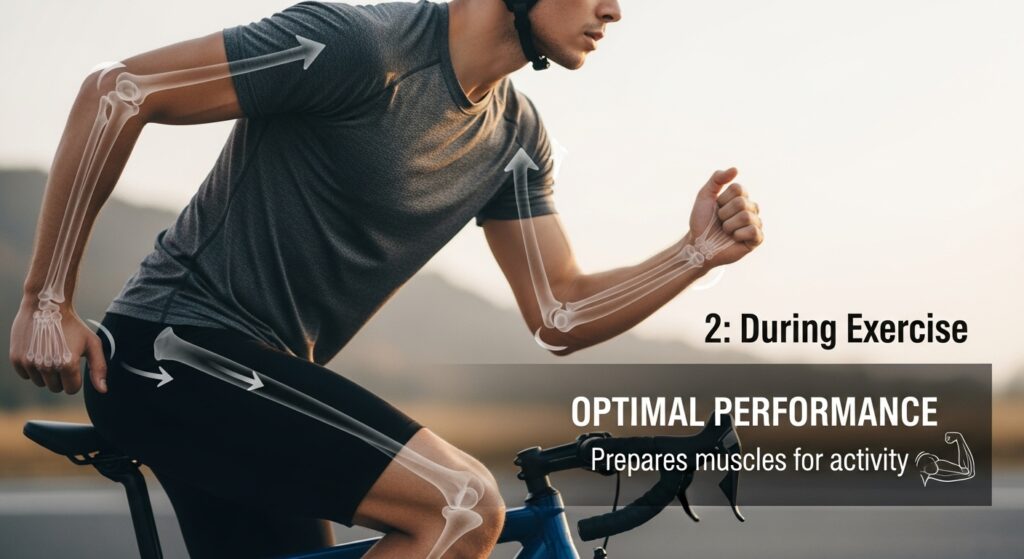
Warming up improves physical performances because it arouses the nervous system or neural activity in the muscles.
Performance benefits include:
- More accurate result
- Improved Speed and Agility
- Enhanced flexibility
- Better focus and coordination
Both athletes and beginners benefit from appropriate warm-up routines.
Types of Warm-Up Exercises
Different workout routines have varying warm-up compositions; however, basic warm-up routines comprise:
- General Warm-Up
- Light cardio exercises to elevate heart rate, such as walking or cycling
- Dynamic Stretching
- Controlled movements like arm swing, leg swing, and rotation of the torso
- Sport-Specific War
- Similar activities that replicate the upcoming workout
By including all the noted elements in the preparation process

The Role of Cool-Down Exercises in Recovery
Cool-down exercises can help your body recover by keeping the blood in your limbs moving rather than pooling in place.
Key benefits include:
- Less muscle soreness
- Improved circulation
- Faster Recovery
- Relaxation of the nervous system
By walking or running in cool weather or any method of controlled breathing and relaxed movements
How Does Muscle Soreness Occur?
When intense exercise is finished, muscles tend to feel stiff and sore. Through cool-down exercises, stiffness is relieved because the muscles are stretched gently and more blood is circulated.
Benefits include:
- Reduced Delayed Onset Muscle Soreness (DOMS)
- Improved flexibility
- Faster muscle recovery
This helps ensure you are consistent in your fitness regimen.
Stretching During Cool-Down Exercise and Its Importance
Stretching after exercises assists in lengthening the muscles.
Effective cool-down stretches include:
- Hamstring stretches
- Shoulder Stretching
- Hip Flexor Stretches
The most effective time to perform stretching in cool-down is when your muscles are already warm.
How Long Should Warm-Up and Cool-Down Sessions Be?
The timing of an efficient warm-up is 5-10 minutes, while a cool-down session lasts 5-10 minutes.
Though the period will vary depending on the workout and individual requirements, the range is as follows.
Warm-Up and Cool-Down to Prevent Injuries
During warm-up and cool-down exercises, the chances of injuries are significantly reduced.
They assist by:
- Improved joint stability
- Reducing muscle tightness
- Developing Movement Awareness
Such exercises will help in maintaining fitness and joint health in the long term.
The Mental Benefits of Warm-Up and Cool-Down
Besides the physiological effects, warm-up and cool-down stretches also promote an individual’s mental well-being.
Mental benefits:
- Enhanced focus before workouts
- Less Stress After Exercise in Your Life
- Enhanced Mind-Body Connection
This will create more interest in the workout.
Warm-Up and Cool-Down Exercises for Home Workout Routine Gundogan’s
With home workouts, however, a lack of preparation and cool-down sessions could lead to strains. The warm-up and cool-down routines are as essential at home as they are in a fitness center.
Simple home-friendly ideas include:
- Warm-up time with marching in place or light jumping jacks
- Arm and leg swinging to loosen joints
- Gentle stretching and deep breathing – a cool-down activity
These exercises require no special equipment. They make home workout sessions safe and effective.
How the Use of “Warm-Up” and “Cool-Down” Can Produce
Exercises that involve a warm-up or a cool-down help in achieving a long-term fitness goal because they help improve movement quality while allowing the body to recover from exercise or activity. Properly preparing your body will help it recover from exercise, allowing you to exercise regularly without any complications or complications caused by pain or injury.
Long-term benefits include:
- Improve workout effectiveness
- Reduced injury risk
- Improved flexibility and mobility
- More exercise regularity
Well-structured habits of warm-ups and cool-downs facilitate fitness growth.
Warm-up and Cool-down Balances
A balanced routine includes:
- Cardio with lights
- Dynamic motions
- Passive stretching
- Controlled breathing
- Simple, consistent routines work best
- Why Consistency Matters
Warm-up and cool-down exercises will not be as effective unless they become regular activities. If one continues to skip these regularly, it can result in stiffness, fatigue, or injury.
Consistency builds up long-term strength, flexibility, and resilience.
CONCLUSION
Both warm-ups and cool-downs are the essentials in any kind of fitness training. They simply prepare your body for work, optimize all performances, and help recover. Whether you are a beginner or an advanced athlete, these practices can reduce injury risk and provide a wide range of improved overall fitness.
https://shaintool.com/wp-admin/post.php?post=149&action=edit
By building in daily habits of warm-up and cool-down exercises, you are protecting your body, enhancing the quality of movement, and encouraging overall health and wellness.
4 thoughts on “How Warm-Up and Cool-Down Help You Move Better”