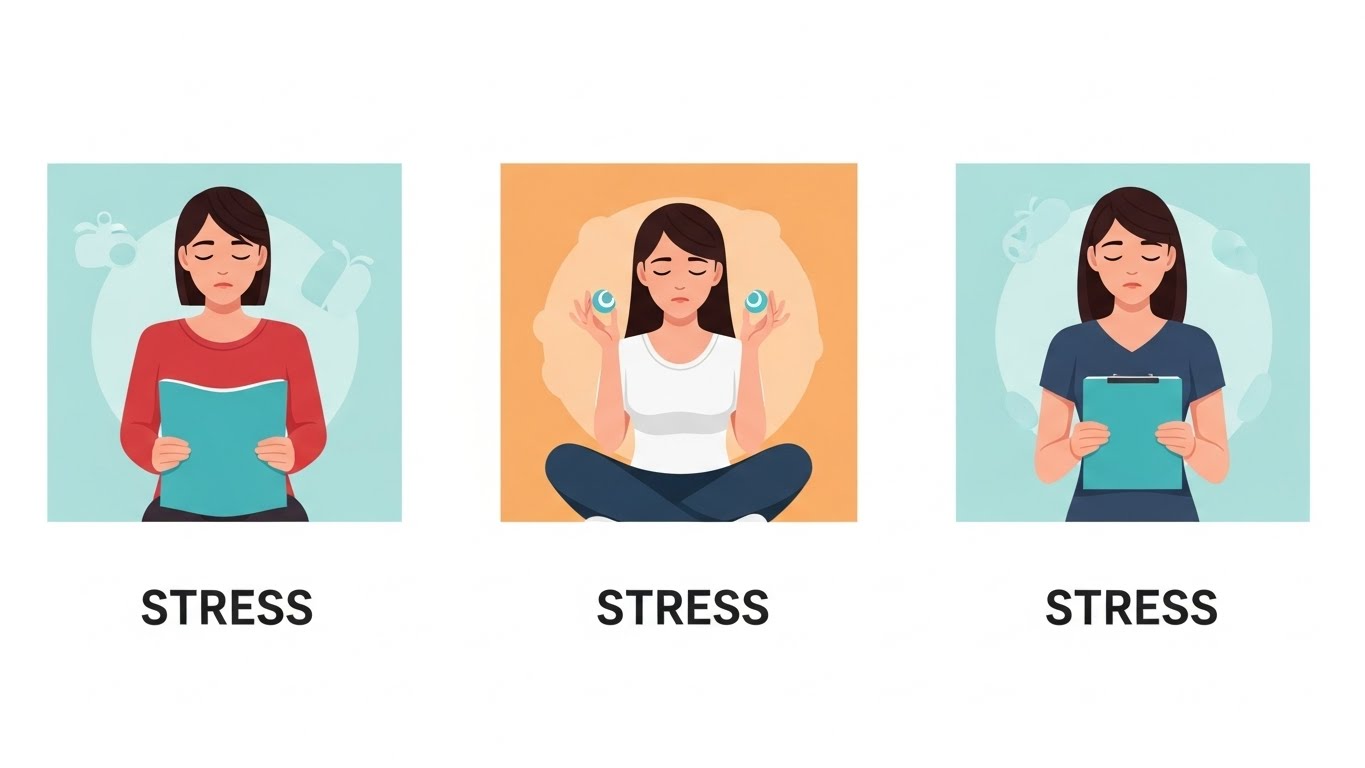

Stress is part of life, but chronic stress can have harmful effects on both physical and mental health. Contemporary living circumstances contribute to constant stress in an individual’s life, resulting from factors such as workplace, interpersonal, financial, and other life responsibilities. Although temporarily stress can be helpful, but chronic stress impairs the natural equilibrium in the body, thereby causing severe health issues.
Knowing about stress management and health can help individuals manage their health effectively by incorporating healthy practices to develop their personal resilience.
What Is Stress and How Does It Affect the Body?
Stress refers to the body’s reaction to challenges or threats. Stressing a body leads to the release of hormones like cortisol and adrenaline. These make a body prepared to respond to threats by speeding up heartbeats, blood pressures, and energy availability.
Although this is an important reaction in a short-term crisis, chronic stress places a body in a state that is constantly alert and can cause exhaustion.
The Role of Cortisol in Chronic Stress
Cortisol has been referred to by many names, including the “stress hormone.” In moderate quantities, cortisol has a role in controlling blood sugar levels, metabolic rate, and reducing inflammation.
High levels of cortisol are associated with:
- Weight increase, particularly in the abdominal area
- Muscle breakdown
- Weakened Immune Function
- Poor sleep quality
Proper stress management helps in regaining hormonal balance and maintaining overall health.
Stress and Mental Health
Stress – It has direct effects on mental well-being. When stress persists, it poses a risk to mental states such as anxiety, depression, irritability, and emotional burnout. It might also affect concentration and memory in humans.
Methods for managing stress like mindfulness, deep breathing, and exercise can help to calm the nervous system and build emotional resilience.
Impact of Stress on the Immune System
Chronic stress contributes to weakened immune function, which translates to a weakened ability to fight an infection and recover from an illness. Chronic stress, as research indicates, contributes to frequent occurrences of common colds, slower healing rates, and inflammation, as measured in studies on stress.
Reducing stress helps with immune system resilience and enables the body to handle disease and injury more easily.
Stress and Cardiovascular Health
Chronic stress contributes to heart conditions and high blood pressure. Stress hormones, if high, put an extra load on the heart and blood vessels, which in turn causes inflammation and reduced blood flow.
Managing stress successfully can:
- Lower blood pressure
- Enhance Heart Rate Variability
- Lower the risk of cardiovascular disease
Relaxation and exercise are very useful for heart health.
Digestive Health and Stress
The gut and the brain have a direct link. Stress can affect digestion because of changes in gut bacteria, slowing down nutrient absorption, and more discomfort in the digestive tract.
Common conditions associated with digestive changes during stress include:
- Bloating
- Acid Reflux
- Irritable Bowel Symptoms
Stress management helps to maintain a healthy gut and facilitate digestion.
Stress, Sleep, and Energy Levels
Stress can be considered a sleep disruptor because it induces alertness, which makes it difficult to relax. One of the effects of poor sleep is the enhancement of stress levels.
Good sleep plays an essential role in the recovery process, immune status, and mental faculties of the individual. Methods of stress management like reducing screen time, stress management, and sleep regulation can help in that respect.
The Role of Physical Activity in Stress Reduction
Exercise is amongst the most powerful innate stress-relieving workouts. The exercise function stimulates endorphins, which the body uses to clear anxiety.
- Sport and exercise stimulate
- Reduces cortisol levels
- Improve emotional stability
- Increase energy
- Improve sleep quality
Stress can be effectively managed with the help of even light exercises, such as walking or stretching.
The Importance of Social Connections in Stress Management
Strong social networks thus act powerfully to help lower stress levels and protect mental health. Scientific research underlines that positive relationships contribute to a decrease in cortisol levels and to an increase in the secretion of oxytocin, which is linked to trust, relaxation, and emotional bonding.
Keeping up healthy social connections can:
- Improve emotional support during stressful situations
- Reduces feelings of loneliness and anxiety
- Improve the chances of overcoming the obstacles in life
- Support general mental and physical well-being
Time spent with the family, friends, or supportive communities helps the body to get out of the stress mode and develops long-term health. Even simple social contacts may be pacifying and enforce emotional balance.
Mindfulness and Relaxation Techniques
The practice of mindfulness also ensures that one is in the moment and does not have any negative thoughts. Meditation, deep breathing, as well as yoga, can be ways the body can relax.
In fact, scientific studies have shown that mindfulness practices lower the secretion of stress hormones, and it helps regulate one’s emotional tone to improve one’s level of well-being.
Nutrition and Stress Management
Basically, nutrition also plays an important role in the body’s response to stress. Poor eating habits contribute to the aggravation of stress, while good nutrition provides supporting functions to the nervous system.
Stress-supportive nutrition includes:
- Regular balanced meals
- Good Hydration
- Magnesium and B vitamins-rich foods
- Reducing caffeine and sugar
Healthy eating helps to stabilize mood and energy levels.
Building Healthy Stress Management Habits
Stress management requires not getting rid of the stress but finding ways of coping with it. Stress can be managed through the following healthy lifestyle habits:
- Regular exercise
- Quality Sleep
- Time Management
- Social Support
- Relaxation techniques
They foster resilience and work to protect long-term health.
Long-Term Health Benefits of Managing Stress
Stress management helps enhance the life of an individual and prevents chronic diseases. Those who are able to manage their stress effectively feel:
- Increased mental clarity
- Better physical health
- Improved immune function
- More emotional balance
Stress management is a life-long skill that promotes effective physical and mental health.
Conclusion
Stress management is crucial in the maintenance of good health. Stress impacts the entire physiological process. Stress can influence the immune system, digestive system, the mind, and the heart. It should be noted stressed individuals can get back on track with the help of stress management practices like exercise, meditation, healthy eating, and sufficient sleep.
Stress management isn’t something we can choose to do or choose to forego; it’s something that we must necessarily undertake.
1 thought on “Manage Stress for Better Physical and Mental”