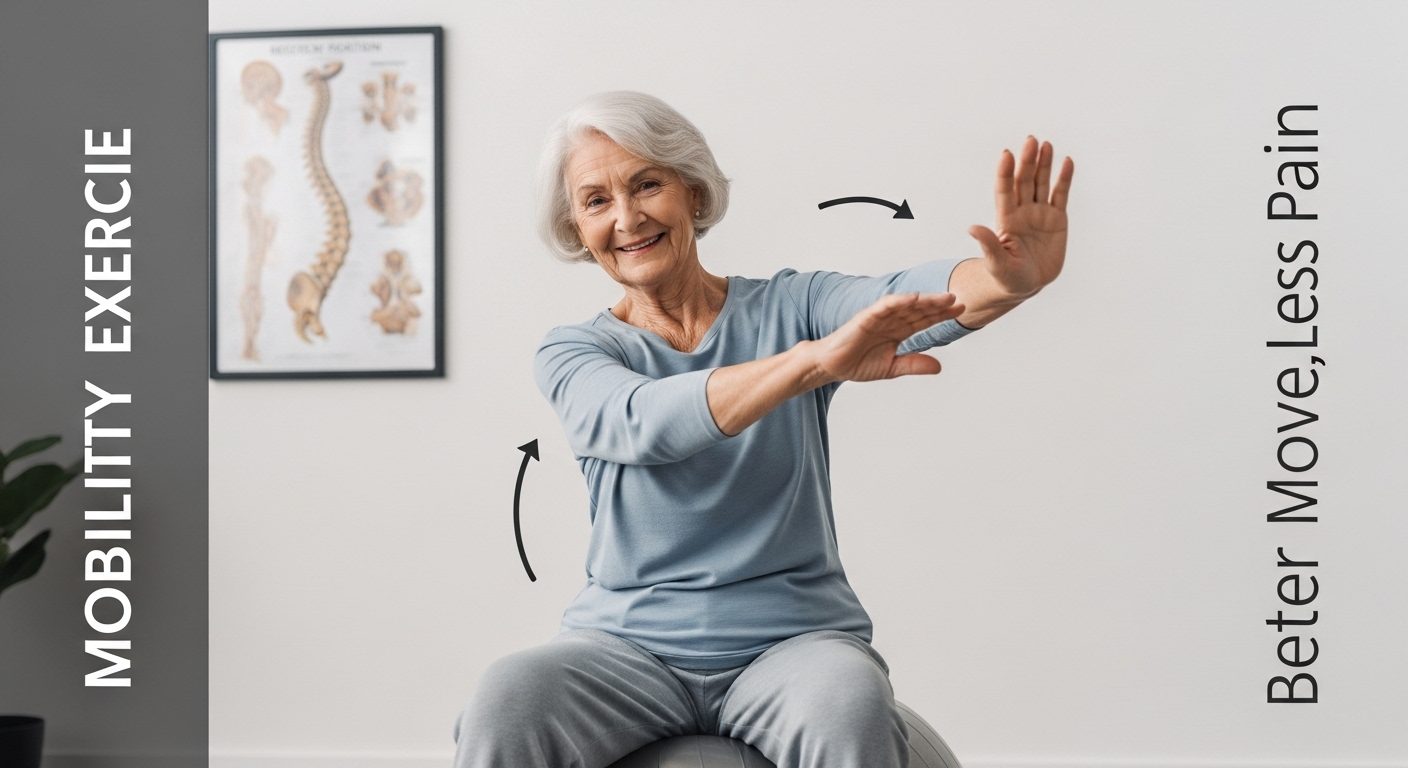
We live in a current lifestyle that involves prolonged sitting, restricted movement, and high levels of stress, which cause our bodies to be stiffer, leading to serious back problems and persistent back pain. There are several reasons, however, why movement exercises are undoubtedly considered the most effective and natural way to maintain a flexible, strong, and completely pain-free physique._mobility training_ exercises differ significantly from other physically rigorous sport activities.
In this particular article, you will learn what mobility exercises are, why it matters, and how doing your daily mobility exercises can help you have a pain-free body at any age.
What Are Mobility Exercises?
Mobility exercises are movements that help increase your range of motion with control and stability within your joints. They incorporate flexibility, strength, and coordination to enable your body to move efficiently and safely.
Whereas static stretching involves little movement, mobility exercises require actively moving through the full range of motion for a specific joint, which is more functional for daily life.
Why Mobility Is Important for a Pain-Free Body
Mobility means that your joints and muscles should have their full freedom of motion, without discomfort. Poor mobility will oftentimes create muscular imbalances, joint stress, and compensatory movements that cause pain.
Advantages of daily mobility exercises include:
- Reduced stiffening of the joints
- Improved posture
- Smarter movement efficiency
- Lower risk of injury
- Relief from back, neck, and joint pains
Improvement in mobility helps your body work the way it is designed to.
Difference Between Mobility, Flexibility, and Stretching
Many people use the words flexibility and mobility interchangeably. Flexibility, however, is defined as the extent to which a particular muscle stretches. On the other hand, there is mobility.
- Flexibility: Passive Muscle Lengths
- Stretching: Temporary Muscle Relaxation
- Mobility – Active and Controlled Joint Movement
There are long-term advantages that come with training for mobility, while these cannot be obtained through stretching.
How Daily Mobility Exercises Reduce Pain
Pain commonly happens as a consequence of a joint that is limited in certain movement patterns or a muscle that becomes weak in a particular movement pattern. With mobility exercises, these problems can be resolved while the muscles are strengthened and movements are increased.
Everyday mobility:
- Improves joint lubrication
- Reduces muscle tension
- Enhances Posture and Alignment
- Prevents stiffness caused by prolonged sitting
Regular exercise will lead to the reduction of painful feelings.
Best Time to Do Mobility Exercises
It can be conducted at any time of the day, but consistency is what matters most.
Ideal times include:
- Morning to overcome stiffness
- Before Workouts – As a Warm-Up
- After long periods of sitting
- Evening to relax muscles
Even just spending 10–20 minutes a day can make a big difference.
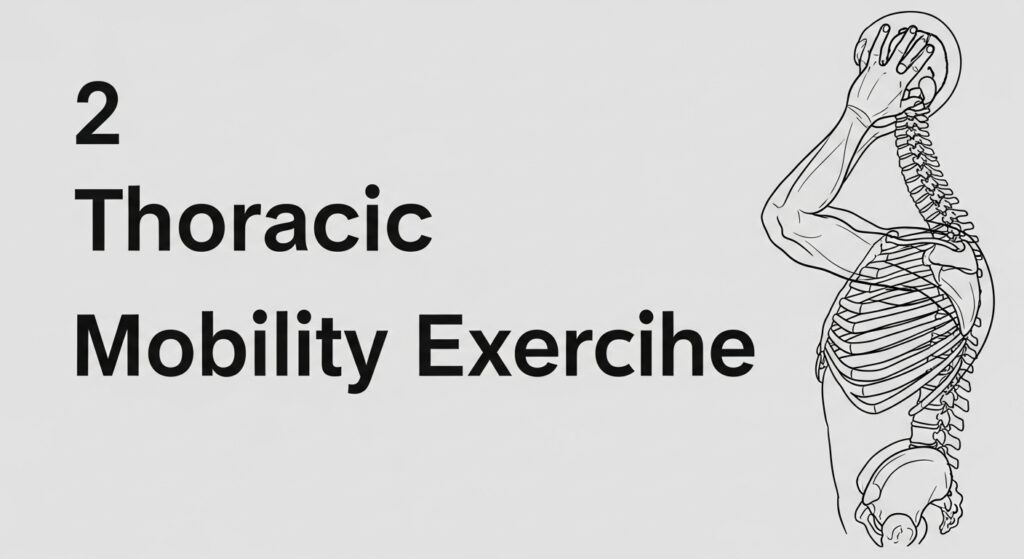
Neck and Upper Back Mobility Exercises
On the one hand, poor posture, especially when dealing with screens, can lead to neck and upper back problems.
Effective exercises include:
- Neck circles
- Shoulder rolls
- Thoracic Spine Rotations
These movements increase circulation, relieve tension, and maintain good posture.
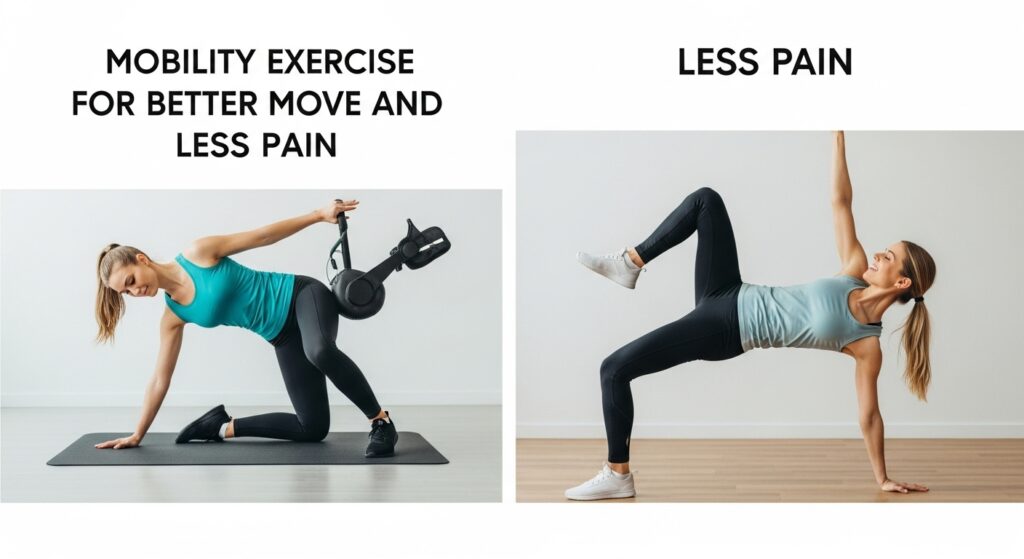
Shoulder Mobility – Pain Free Movement
Shoulder joints have high motility but can often become stiff.
Daily exercises to maintain good mobility of the
- Arm circles
- Shoulder dislocations (using band or towel)
- Scapular Ret
Better shoulder movement can actually alleviate some pain and build strength.
Hip Mobility Exercises for Lower Body Health
Hips are truly the center of movement and also of our posture. Tight hips can result in lower back and knee pain.
Helpful exercises for hip mobility:
- Hip circles
- Lunges with rotation
- Deep Squat Holds
Healthy hips allow for better mechanisms of walking, running, and lifting.
Spine Mobility – Back Pain Alleviation Technique
Spinal mobility is crucial for obtaining a pain-free back. Spine stiffness is often associated with improper spinal motion.
What are the best exercises for effectively improving
- Cat-cow stretches
- Seated Spinal Twists
- Controlled back extensions
These movements are beneficial for spinal health, improving back conditions.
Ankle and Knee Mobility Exercises
If our ankles are not able to move freely, we could face a variety of challenges. Relevant challenges
Daily ankle and knee exercises:
- Ankle circles
- Calf raises
- Controlled Knee Bends
With improved mobility, stress on joints will be reduced, and stability will be increased.
Breathing and Movement Connection
Assists in mobility, enabling one to move with ease by relaxing the muscles.
Benefits of combining breathing with mobility:
- Reduced muscle tension
- Improved movement control
- Better posture
The effectiveness of the mobility exercises improves with deep nasal breathing.
Mobility Exercises for Desk Workers
Prolonged sitting limits freedom of movement and makes someone stiffer.
Simple desk-friendly mobility exercises:
- Seated spinal twists
- Neck Stretches
- Hip Openers
Regular breaks for movement prevent pains and enhance productivity.
Mobility Exercises for Beginners
All fitness levels benefit from mobility training.
“Beginner Tips”
- Start with slow, controlled movements
- Focus on proper form
- Avoiding forcing of range of motion
Gradually progress, being mindful not to cause discomfort or injury.
How Long Does It Take to See Results?
Most individuals observe flexibility and greater mobility within 2 to 4 weeks from daily practice. Relief from pain and good posture develop gradually from the end of a couple of months.
What we need is commitment, not intensity.
Common Mistakes to Avoid
Some common mistakes to avoid are:
- Skipped Warm-ups
- Rushing movements
- Ignoring pain signals
- Inconsistent practice
The feeling of mobility must not be painful.
Creating a Daily Mobility Routine
Firstly, if a well-rounded daily schedule should comprise:
- Neck & shoulders
- Spine
- Hips
- Knees and ankles
Try and keep these sessions short, sweet, and focused.
Mobility and Long-Term Health
Daily mobility exercises can be beneficial in terms of long-term health, injury prevention, as well as staying independent as you age. An improved, efficient form of movement contributes to overall fitness.
By definition, "mobility is not just exercise, it's preventive care for your body."
Conclusion
Daily mobility exercises are one of the easiest and surest ways to attain a pain-free body, reducing the risk of future soreness and ache through improving joint and muscular mobility.
Regardless of whether you are an beginner, an office worker, or an active person, it can increase your movement, your comfort levels, and your long-term physical health.
1 thought on “Mobility Exercise for Better Move and Less Pain”