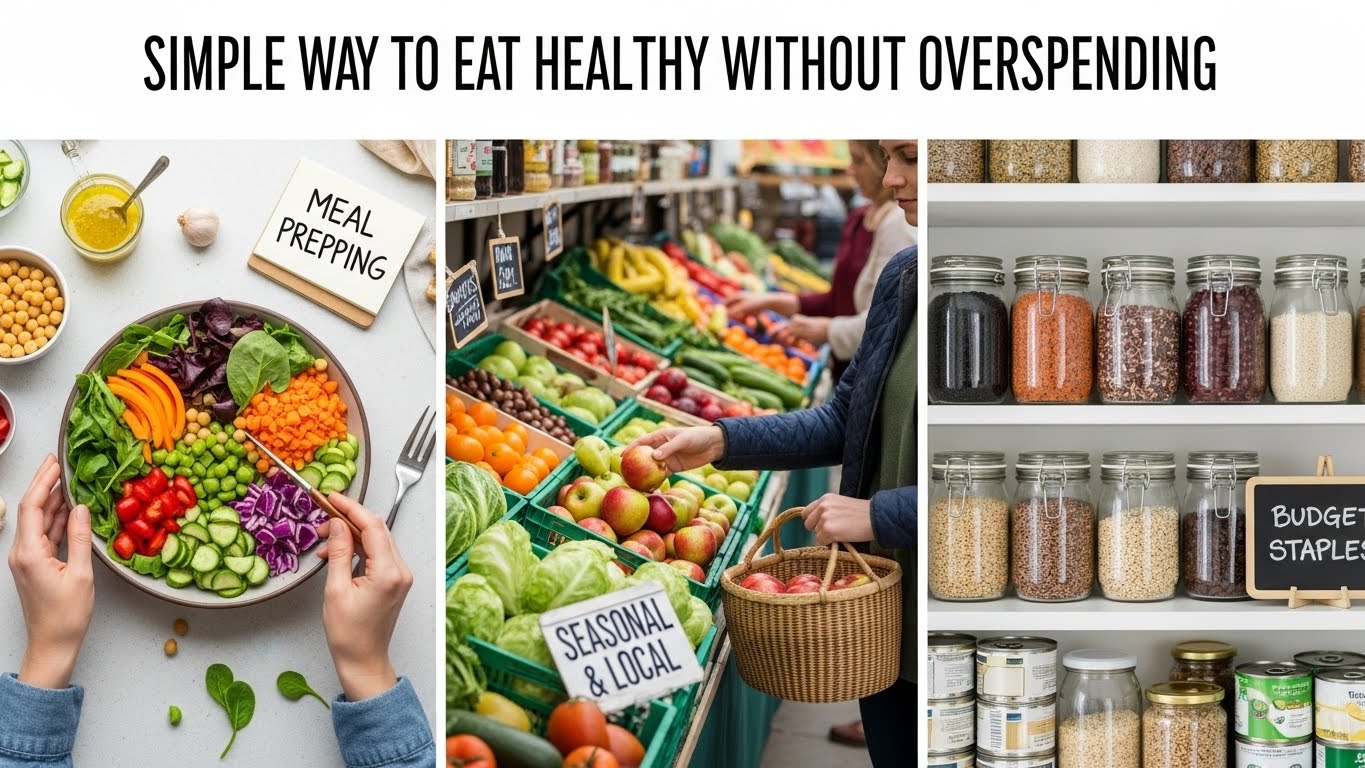
Eating healthy is considered to be expensive, but the reality is that healthy food does not have to be pricey. Effective planning and healthy cooking habits allow you to eat healthy and keep your expenses under control. Eating healthy and staying within your budget does not mean cutting back. Rather, it involves making the right choices.
This article will provide guidance on healthy eating on a budget as a means of having well-balanced and healthy meals daily.
Why Healthy Eating Doesn’t Have to Be Expensive
Often, people see healthy food as expensive due to market trends and special products that have become fashionable in food markets. In most cases, healthy food can actually cost less compared to processed food.
Healthy, budget-friendly foods are:
- Whole grains
- Beans and Lentils
- Seasonal fruits and vegetables
- Egges and yogurt
An approach to using simpler ingredients can greatly lower the expenses incurred during grocery shopping while enhancing food nutrition.
Meal Planning
Plan your meals for at least the
Planning meals is one of the greatest ways for individuals to save cash and eat healthily. Individuals can plan meals for the week ahead, ensuring that they don’t throw away cash due to buying in the spur of the moment.
Benefits of Meal Planning:
- Cuts food waste
- Encourages wholesome nutrition
- Time-saving during the week
Planning meals for a week helps you plan grocery shopping accordingly so that you stay within budget.
Create a Smart Grocery List
One way a grocery list can help you is by ensuring you stay on track and avoid impulse spending. You should always go grocery shopping with a list that reflects your meal plan.
Smart Grocery List Hints:
- Prioritizing whole foods
- Eliminate processed foods
- Processed
- Only buy what you need
- Table of Contents
- Stay within your budget
When shopping without a list, it usually ends in overspending and poor eating habits.

Buy Seasonal and Local Produce
In season fruits and vegetables would cost less, be fresher, and have more nutrients. Locally grown produce would be from farmers who would be benefitted.
Budget-friendly seasonal options:
- Apples and oranges
- Carrots and Cabbage
- Potatoes and Squash
- Leafy greens
Seasonal produce will give the best value for your money.
Choose cost-effective sources of protein such
Protein is a health material that does not necessarily have to be very expensive. In reality, inexpensive protein sources abound.
Sources of Affordable Protein/Tierras
- Eggs
- Beans and lentils
- Canned tuna or sardines
- Chicken thighs
- Peanut butter
Moreover, plant-based proteins are relatively more affordable and have similar nutritional contents.
Cook at Home More Often
Cooking at home is one way to save money and eat healthy food. Eating out and ordering takeout might be more expensive and higher in calories.
Home-cooked food has several advantages:
- Direct control of ingredients
- Reduces food costs
- Healthier serving sizes
- Better nutrition
“Simple home-cooked meals can be both inexpensive and filling.”
Buy in Bulk When Possible
Purchasing in large quantities could lower the price per serving, especially for main food items.
Foods that can be bought in bulk and are considered healthy:
- Rice & Pasta
- Oats
- Beans and lentils
- Vegetables, frozen
Bulk purchase of items assists in cutting down on costs if conducted appropriately.

Use Frozen and Canned Foods Effectively
Frozen and canned foods can also be healthy and economical options.
Tips:
- Option for frozen vegetables that do not contain sauce
- Choose canned foods with lower amounts of salt
- Canned foods
- Limit added sugars in canned fruits
- The high sugar content in
These products have longer shelf lives and can combat food waste.
Reduce Food Waste
Food waste means that you are also wasting money. You can save a lot of money by storing leftovers.
Methods to conserve food wastages:
- Store food properly In order
- Use leftovers creatively
- Freeze additional portions
- Older items first
- Rotate older items
Reducing waste means resources will go further, improving finances, while cutting
Reduce Processed and Sugary Foods
“Processed foods appear cheaper at first,” he observed. “But ultimately they cost more because of their lack of nutritional value and health implications.”
A reviewer of Ezekiel Jacob’s article for this chapter
- Eating less processed foods reduces the risk
- Minimize supermarket expenses
- Enhance energy levels
- Promote Long-term Health
Whole food choices give you more nutrition value for the money you spend.
Drink Water Headed of Sugary Drinks
Sugary beverages and juices may bring in unwanted costs and calories.
Switching to water:
- Reduces costs
- Increases hydration
- Aiding in Weight Management
The healthiest and most inexpensive drink is water.
Shop Smart and Compare Prices
Be sure to compare prices from different brands and outlets. Similar products from generic brands can be just as good but cheaper.
Smart shopping tips:
- Compare price per unit
- Try to find store brands For any
- Prevent marketing pitfalls Renderer
- Small savings amount to a lot
- Small savings add up
Practice Portion Control
The Eating proper quantities of food will result in proper scaling of your food expenses.
Portion Control Beneficial Outcomes:
- prevents overeating
- Preserves food
- Enhances digestion
This is possible through mindful eating. It will help you get more dishes from the same groceries. It is quite
Create Simple Balanced Meals
Eating healthy doesn’t require complicated recipes. A healthy dish should always consist of proteins, carbs, and healthy fats.
Simple meal examples:
- Rice, beans, and vegetables
- Whole-grain toast and eggs
- Lentil soup and salad
Meals can be cost-effective and healthy if they are simple.
Use Simple Cooking Methods to Save Money
Complex recipes require additional ingredients that increase food expenses. Simple cooking techniques such as boiling, steaming, baking, and stir-frying can be used to prepare healthful food using a few ingredients.
Home cooking helps save money through:
- Reducing the requirement on Specialty Items
- The Specialty Items requirement
- Faster and easier meal preparations
- Retaining the nutrients in whole foods
- One meal should permit multiple uses
Knowing these basic cooking skills will allow you to prepare healthy food and stay within your budget.
Conclusion
Eat healthy while being within your budget by planning and eating in a smart manner. Healthy food can be eaten without having holes in your pocket by focusing on whole foods, cooking, and avoiding wastage of food.
The beauty of healthy eating is that you are not going for exotic super foods found in expensive restaurants. This is all about prioritizing what is best and making smart food decisions. This is how you are going to protect both your body and wallet.